
People often ask what we’ve done to help so many young adults grow into vibrant faith and Kingdom leadership. They’re usually hoping for a strategy—something they can implement and reproduce.
I’ve (Bill) fielded this question from countless church leaders across the country. I often smile and tell them to grab a pen—here’s the “secret strategy”:
Be willing to spend unhurried, face-to-face time with emerging leaders—in your living room, over coffee, even across a sushi table. Expect a slow, sometimes messy process marked by both breakthroughs and setbacks. And let them see your real, lived relationship with God.
More often than not, the leaders are disappointed. They’re hoping for a curriculum they can implement, not a life they have to share. But there are no shortcuts to authentic spiritual formation. Lasting fruit doesn’t come from programs alone—it grows out of intentional, relational investment.
Discipleship, at its core, is not a system to adopt, but a life to invite others into.
That reality came into focus for me, Jill, during a sermon where I first heard the term “spiritual mother”—a way of describing men and women who come alongside younger people with intentional, relational care. I remember thinking, That’s it. That’s what I’ve been doing. In a moment, something I had lived for years finally had a name.
We’ve come to see that spiritual parenting is not an extra ministry layer; it is a powerful, deeply relational expression of discipleship itself.
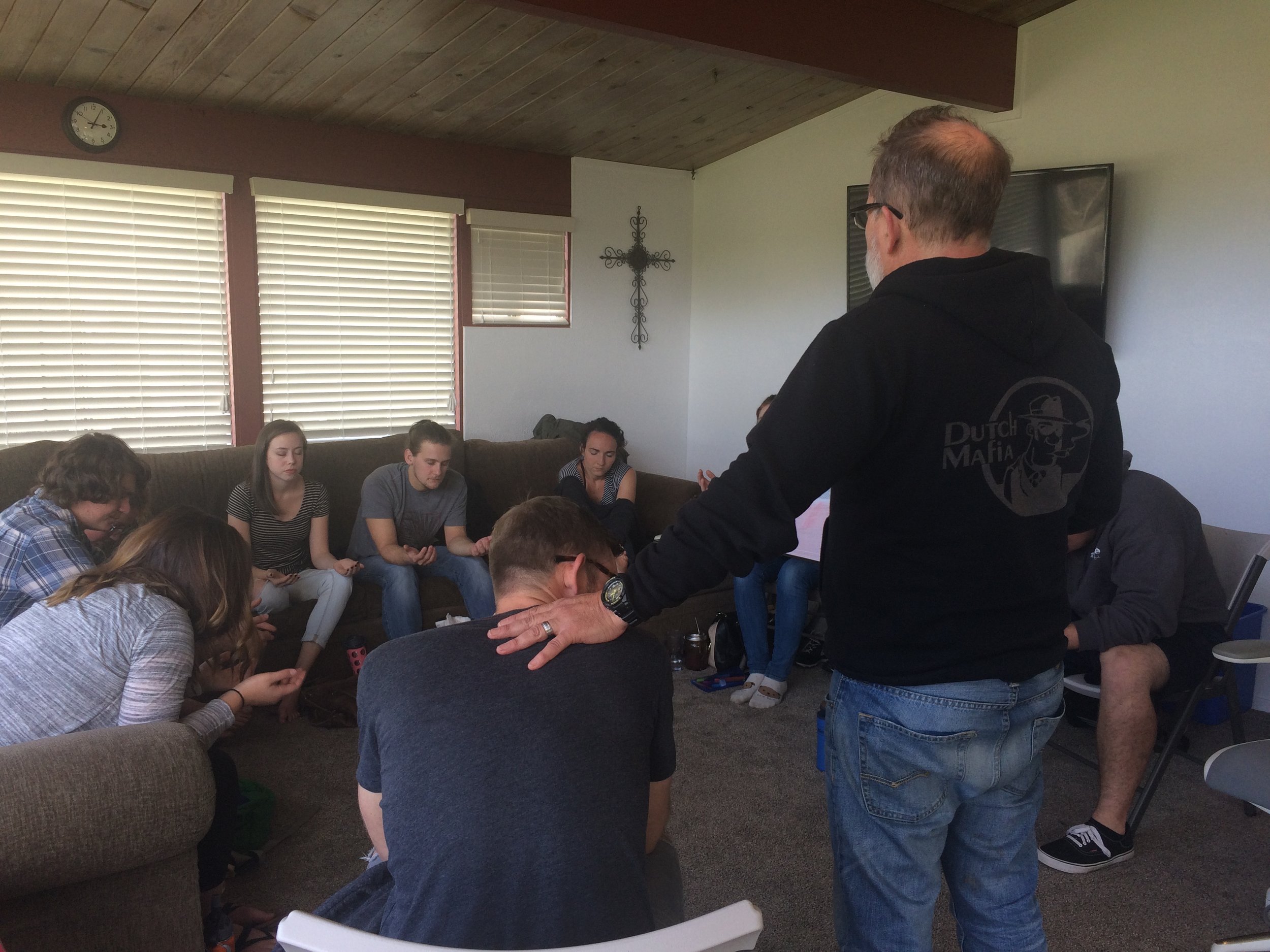
What Is a Spiritual Parent?
A spiritual mother or father is someone who intentionally invests in the spiritual growth and formation of another person—often a younger believer—through presence, love, and guidance. This role reflects the heart of discipleship: sharing not just truth, but life.
In today’s culture, particularly in the West, many young adults carry wounds from broken families, absent parents, or relational instability. Some have described this as a “fatherless generation.” These realities create both a deep need and a meaningful opportunity for mature believers to step in—not to replace parents, but to offer something uniquely spiritual: encouragement, identity, and direction rooted in Christ.
The apostle Paul modeled this beautifully. He referred to Timothy as his “son” and described his ministry in both maternal and paternal terms in 1 Thessalonians 2. He didn’t just share the gospel—he shared his life. He encouraged, comforted, and urged others to live lives worthy of God. His joy was found in seeing others flourish.
A Gentle Invitation to Consider Your Role
Understanding what a spiritual parent is can be inspiring—but it may also feel a bit abstract or even intimidating. Rather than asking, “Am I qualified for this?” a better question might be, “Could God be inviting me into this kind of relationship?”
Spiritual parenting doesn’t begin with a title or a role—it often starts with a quiet awareness: a growing care for someone, a nudge to reach out, or a sense that your presence might matter more than you realize. As you reflect on what spiritual parenting looks like, it’s worth pausing to consider whether this could be a natural next step in your own journey of discipleship.
Could This Be Part of Your Calling?
Here are a few ways to begin discerning whether God might be inviting you into spiritual parenting:
1. Notice relational patterns
Do younger people seem drawn to you?
Do you feel a natural pull toward investing in them?
Have you received words of encouragement or affirmation pointing in this direction?
2. Practice listening prayer
Take time to ask God:
Is this something you are inviting me into?
Who might you be highlighting?
Pay attention to:
Existing relationships (e.g., church, small groups, cohorts)
Repeated names or faces that come to mind
A Note on Navigating Boundaries
If you feel drawn to someone of the opposite sex, wisdom and accountability are essential:
Seek input from your spouse (if applicable) and a trusted friend or leader
Maintain clear emotional and relational boundaries
When possible, same-gender relationships are generally healthier and simpler
What Does Spiritual Parenting Look Like Practically?
Start small
Begin with one person
Meet a few times (coffee, walks, etc.) to discern mutual fit
Create a clear and gracious “exit ramp” if it’s not the right connection
Be consistent
Aim to meet at least once a month
Let the relationship grow naturally over time
Lead with curiosity, not control
Ask questions; don’t rush to give answers
Listen more than you speak
Approach the relationship like a coach rather than an authority figure
Clarify expectations
Ask what they are hoping for from the relationship
Revisit those expectations as needed
Share appropriately
Your story matters and builds trust—but keep the focus on them
Respect agency
Don’t over-function or do things they haven’t asked for
Empower them to make their own decisions
Offer grace, not judgment
Create a space that feels safe and life-giving—not critical or parental in a negative sense
Discern your role
At times you may function as a mentor, coach, or spiritual parent
Ask God for wisdom in each moment
Handle spiritual input carefully
If you sense a prophetic word, test it before sharing
Encourage them to weigh it prayerfully as well
Pray and encourage consistently
Cover them in prayer
Speak life, identity, and truth over them
Help them recognize who they are in Christ and their potential in His kingdom
Maintain healthy boundaries
Be mindful of influence and power dynamics
Avoid dependency or control
The Long View
Spiritual parenting is not a short-term project—it’s a long-term investment in people. Just this week, I (Jill) received a message from the very first young woman I “parented,” asking for prayer and wisdom. After more than 40 years, I still have the privilege of being present in her life as a spiritual mother.
That’s the beauty of this kind of discipleship: it multiplies over time, shaping lives, strengthening faith, and building the Kingdom in deeply personal ways. Spiritual parenting isn’t reserved for a certain age or stage of life. It’s an invitation—to love, to invest, and to walk with others as they grow in Christ.
Dig Deeper
If you’re feeling drawn to spiritual parenting, these additional resources may inspire you.
Video: The Multiplying Impact of Spiritual Parenting
These two young adults in Orange County were impacted immensely by a “spiritual parent” they met at a Novo prayer gathering. Through this relationship, they grew as disciple-makers, saw many young people find Jesus, and now are discerning potential calls to full-time ministry.
Video: Spiritual Parenting Simplified
Hear from several people who made themselves available as spiritual parents, and some of the young adults who felt blessed by those relationships. This video demystifies spiritual parenting and shows how accessible it can be to anyone who feels a nudge from the Spirit.
Story of Impact: The Mission Field in Your Own Backyard
Ministry with young adults wasn’t anywhere on John Gash’s radar when God connected him with two young men hungry for discipleship. John followed God’s lead, started investing in them and their friends, and now the good news is multiplying through their witness to many others. Read the full story here.
ABOUT THE AUTHORS
Bill and Jill Randall spent three decades planting disciple-making churches prior to joining Novo in 2014. Through the years, they have raised up thousands of multiplying leaders who are activated in mission around the world, and now serve on Novo’s Lead Team. Bill is the director of Novo’s Catalytic Resource Team. and Jill serves as Vice President of Staff Health. They continue to spend much of their time equipping and coaching leaders and teams serving around the world, helping them flourish in their missional contexts. Jill and Bill live in Boise, ID close to their three married kids and six grandchildren.